Expert Drain Cleaning and Fixture Installation Tips
- Lonnie Buckner

- Jun 8
- 3 min read
When it comes to maintaining a home, few tasks are as crucial as ensuring your plumbing system is functioning properly. Clogged drains and faulty fixtures can lead to significant inconveniences and costly repairs. In this blog post, we will explore expert tips for drain cleaning and fixture installation that will help you keep your plumbing in top shape.
Understanding Your Plumbing System
Before diving into the specifics of drain cleaning and fixture installation, it’s essential to have a basic understanding of your plumbing system. Your home’s plumbing consists of a network of pipes, fixtures, and appliances that work together to deliver water and remove waste.
Key Components of Your Plumbing System
Pipes: These transport water to and from your home. Common materials include PVC, copper, and galvanized steel.
Fixtures: These are the visible parts of your plumbing system, such as sinks, toilets, and faucets.
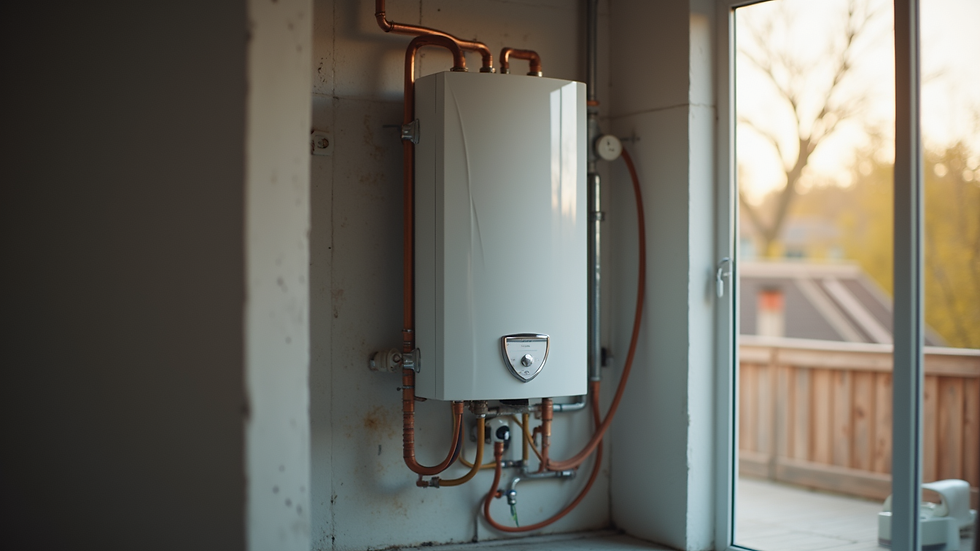
Appliances: These include dishwashers, washing machines, and water heaters that rely on your plumbing system.
Understanding these components will help you identify issues and perform maintenance more effectively.
Common Drain Issues
Clogged drains are a common problem that can disrupt your daily routine. Here are some typical causes of drain clogs:
Hair: One of the most common culprits, hair can accumulate in drains, especially in bathrooms.
Grease: In kitchen sinks, grease can solidify and create blockages.
Food Waste: Even with a garbage disposal, certain food items can lead to clogs.
Foreign Objects: Items like toys or sanitary products can accidentally get flushed down toilets.
Signs of a Clogged Drain
Recognizing the signs of a clogged drain early can save you time and money. Look out for:
Slow drainage
Unpleasant odors
Gurgling sounds
Water backups
Effective Drain Cleaning Techniques
Once you identify a clogged drain, it’s time to take action. Here are some effective methods for cleaning drains:
1. Boiling Water
For minor clogs, pouring boiling water down the drain can help dissolve grease and soap buildup.
2. Baking Soda and Vinegar
This classic combination can effectively break down clogs. Pour half a cup of baking soda followed by half a cup of vinegar down the drain. Let it sit for 30 minutes, then flush with hot water.
3. Plumber’s Snake
For tougher clogs, a plumber’s snake can reach deep into the pipes to dislodge blockages. Insert the snake into the drain and twist it to break up the clog.
4. Chemical Drain Cleaners
While effective, chemical drain cleaners should be used sparingly due to their harsh nature. Always follow the manufacturer’s instructions and consider safety precautions.
5. Professional Help
If DIY methods fail, it may be time to call a professional plumber. They have the tools and expertise to handle severe clogs safely.
Fixture Installation Tips
Installing new fixtures can enhance your home’s functionality and aesthetics. Here are some tips to ensure a successful installation:
1. Choose the Right Fixture
Before installation, select fixtures that match your plumbing system and personal style. Consider factors like size, finish, and functionality.
2. Gather Necessary Tools
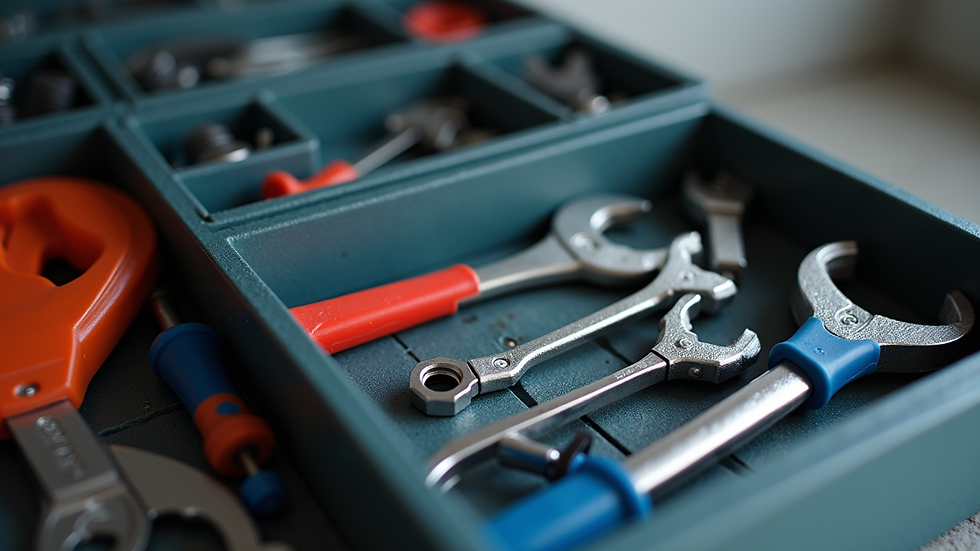
Having the right tools on hand will make the installation process smoother. Common tools include:
Adjustable wrench
Screwdriver
Plumber’s tape
Basin wrench
3. Turn Off Water Supply
Before starting any installation, always turn off the water supply to prevent leaks and flooding.
4. Follow Manufacturer Instructions
Each fixture comes with specific installation instructions. Follow these carefully to ensure proper installation and avoid warranty issues.
5. Test for Leaks
After installation, turn the water supply back on and check for leaks. Tighten connections as necessary to ensure a secure fit.
Maintaining Your Plumbing System
Regular maintenance can prevent many plumbing issues. Here are some tips for keeping your plumbing in good condition:
1. Regular Inspections
Schedule regular inspections of your plumbing system to catch potential issues early. Look for signs of wear and tear, leaks, or corrosion.
2. Clean Drains Regularly
Incorporate drain cleaning into your routine maintenance. Use the baking soda and vinegar method monthly to keep drains clear.
3. Be Mindful of What Goes Down the Drain
Educate your family about what can and cannot be flushed or washed down the sink. Avoid flushing anything other than toilet paper.
4. Insulate Pipes
In colder climates, insulating pipes can prevent freezing and bursting during winter months.
5. Know When to Call a Professional
If you encounter persistent plumbing issues, don’t hesitate to call a professional. They can provide expert advice and solutions.
Conclusion
Maintaining your plumbing system through effective drain cleaning and proper fixture installation is essential for a functional home. By understanding your plumbing, recognizing common issues, and following expert tips, you can prevent costly repairs and ensure your system runs smoothly. Remember, regular maintenance is key to a healthy plumbing system. Take action today to keep your home’s plumbing in top shape!
Comments